Home Root Canal Therapy in San Antonio, TX: Save Your Tooth from Extraction

Tooth pain rarely starts at full intensity; it builds over time.
A little sensitivity turns into discomfort, then into something harder to ignore. Eating becomes uneven, and sleep may be affected. At that stage, most people begin to wonder what is actually wrong.
One of the most common causes is infection inside the tooth. When bacteria reach the inner layer, the tooth cannot heal on its own.
That is where root canal therapy comes in.
Instead of removing the entire tooth, the goal is to treat the infection and preserve what remains. Many patients searching for root canal San Antonio options are trying to avoid extraction while still resolving the pain.
In this blog, we take a closer look at:
Understanding how the process works makes the decision feel less uncertain. So continue reading as we learn more about it in the following sections.
A tooth may look solid from the outside, but the inside tells a different story.
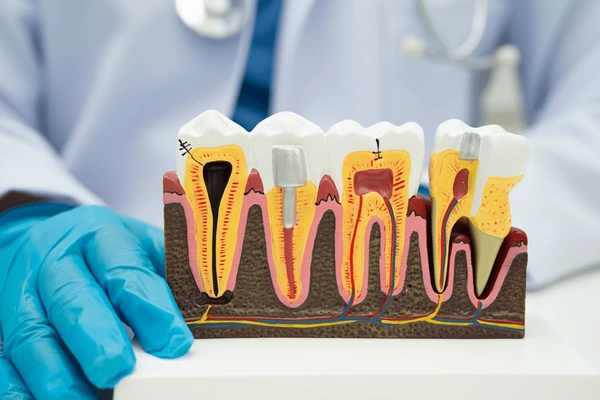
Beneath the enamel and dentin lies the pulp. This soft tissue contains nerves and blood vessels. When bacteria enter through deep decay or cracks, the pulp can become inflamed or infected.
Once infection reaches this layer, the body cannot repair it on its own. Pressure builds inside the tooth. That is often what causes the pain patients feel.
At this point, treatment is necessary. Without it, the infection may spread beyond the tooth.
Not every dental issue requires this treatment, but certain situations make it more likely.
Dentists may recommend a root canal when:
Some patients wait because the pain comes and goes. That can be misleading.
Infection does not disappear on its own. It often progresses quietly until symptoms return with greater intensity. A dentist in San Antonio can confirm whether root canal therapy is the right approach.
Many patients assume extraction is the only option once pain becomes severe.
In reality, preserving the natural tooth is usually preferred.
Keeping the original tooth helps:
Modern endodontics in San Antonio providers focus on treating the inside of the tooth while keeping the structure intact. That balance is what makes root canal therapy valuable.
The idea of a root canal often causes concern, but the experience is different from what many expect.
The area is numbed before treatment begins. Once comfortable, the dentist creates a small opening to access the infected pulp. The inside of the tooth is cleaned carefully. After that, it is filled and sealed to prevent reinfection.
Some patients feel pressure during the process, but not sharp pain. In many cases, the discomfort before treatment is more noticeable than the procedure itself.
After a root canal, the tooth is no longer supported by living pulp. This can make it more fragile over time.
To protect it, a crown is often placed.
The crown:
Without this step, the tooth may be more likely to crack under pressure. This is part of making the treatment last.
Recovery is usually straightforward. Some patients notice mild soreness for a few days, especially when chewing. This tends to improve quickly.
Most people return to normal routines shortly after the procedure.
Simple steps during recovery include:
Once the final restoration is complete, the tooth functions like any other.
When deciding whether to save or remove a tooth, patients often weigh both options.
Extraction removes the source of infection, but it also creates a gap. That gap may need to be filled with an implant, bridge, or denture. Root canal therapy avoids that process by preserving the tooth.
While both approaches can be effective, keeping the natural tooth is usually less disruptive in the long term. The decision depends on the condition of the tooth and the surrounding structures.
Root canal therapy has a strong success rate, but certain factors can affect the outcome. These include:
Timely treatment is the key to avoiding any oral complications in the long term. When you visit your dentist regularly, they help avoid or minimize any severe damage to your smile.
The quality of restoration also plays a key role in the long-term success of your smile. If the restoration is average, it doesn’t last long despite proper care.
Your oral hygiene habits also play a crucial role in determining the success of a root canal in San Antonio. Following regular oral hygiene habits minimizes pain and tooth loss.
Patients who follow care instructions and maintain routine checkups often see long-lasting results.
Remember, consistency plays a larger role than most expect.
When dealing with tooth pain, convenience becomes important. Choosing a dentist in San Antonio close to home allows for quicker evaluation and easier follow-up visits.
If additional care is needed, it can be scheduled without long delays. Familiarity also helps. Seeing a provider you trust makes the process feel more manageable. This is especially true for treatments that may require more than one visit.
Root canal therapy provides a way to treat infection while preserving the natural tooth. Instead of removing the tooth entirely, the focus is on eliminating the source of pain and protecting what remains.
For patients exploring root canal treatment options, this treatment often offers both relief and long-term stability.
Working with an experienced dentist ensures the process is handled carefully and tailored to your specific condition. Connect with our experts at Heritage Dental today!
Takeaway: