Home What Symptoms Mean You Need a Root Canal in San Antonio, TX?
Tooth discomfort can develop in different ways.
Sometimes it appears as a sharp pain while eating, while in other cases it may begin as mild sensitivity that gradually becomes more persistent. Many people delay seeking treatment because they assume the discomfort will improve on its own or believe the issue is minor.
However, certain symptoms may indicate a deeper infection affecting the inner part of the tooth. A root canal is often associated with severe tooth pain, but not every infected tooth causes immediate or intense discomfort. In some situations, infection progresses quietly while damaging the tooth pulp and surrounding structures over time. This is why recognizing early warning signs becomes important before the condition worsens.
This blog takes a closer look at the different aspects of root canal, its symptoms, and treatment via topics like:
So, continue reading as we take a closer look at the symptoms you need to be aware of to understand root canal treatment.
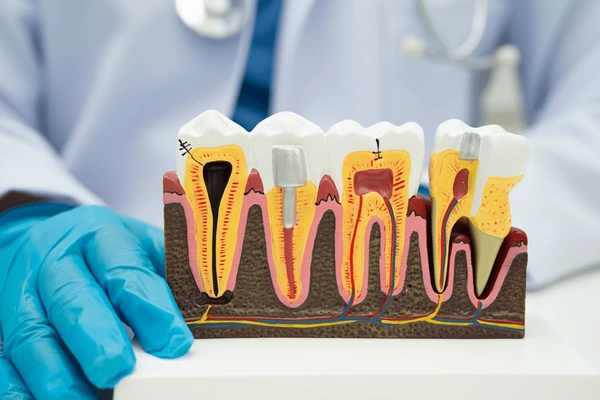
According to the American Association of Endodontists (2024), the inner pulp of a tooth contains nerves, connective tissue, and blood vessels that help support tooth development. When bacteria enter the pulp through deep decay, cracks, or trauma, inflammation and infection can begin developing inside the tooth.
One of the biggest challenges is that symptoms may vary significantly from person to person. Some patients experience constant throbbing pain, while others only notice sensitivity to hot or cold foods. In certain cases, infection may progress without severe pain until swelling or pressure develops around the gums.
Ignoring symptoms can allow the infection to spread beyond the tooth itself. Over time, untreated infection may affect surrounding tissues and bone, increasing the likelihood of more extensive treatment needs.
Many patients also confuse temporary sensitivity with signs of deeper infection. Occasional sensitivity after consuming cold beverages may not always indicate a serious issue, but lingering discomfort that persists after the trigger is removed may suggest pulp involvement.
When visiting your root-canal dentist in San Antonio, TX, they will help you understand the treatment process that includes:
The process begins with a detailed assessment of the affected tooth and surrounding tissues. The dentist evaluates symptoms such as pain, swelling, sensitivity, and discomfort while chewing to determine whether the pulp may be infected.
X-rays or digital imaging are used to identify infection inside the tooth and evaluate whether the surrounding bone or roots have been affected. This helps determine the severity of the condition and whether root canal treatment is necessary.
If infection is confirmed, the damaged pulp tissue inside the tooth is carefully removed. This step eliminates bacteria and reduces the source of pain and inflammation.
After removing the infected tissue, the inside of the tooth is thoroughly cleaned and disinfected. This helps reduce the risk of recurring infection and supports long-term healing.
Once cleaned, the canals are sealed, and the tooth is restored, often with a filling or crown, to protect it from future damage and restore normal function.
Patients receive instructions for post-treatment care and follow-up visits to ensure healing progresses properly and the restored tooth remains stable over time.
| Who Qualifies? | Patients with severe tooth infection or pulp damage are ideal candidates for undergoing root canal treatment. |
| Process Overview | Step 1
Book a meeting with the dentist for evaluation and imaging of the root canal and understand the severity of the situation. Step 2 Undergo thorough cleaning of your root canal and follow your dentist’s instructions. Step 3 Restoration of your teeth to fix your smile and overall lifestyle. |
| Timeline | Root canal treatment generally takes 1 to 2 visits to complete. |
| Aftercare | Follow your dentist’s recommendations and visit them regularly to maintain a healthy smile. |
| Location & Contact | Heritage Dental Centers
9590 Marbach Rd, San Antonio, TX 78245, United States |
One of the main goals of root canal treatment is to save the natural tooth whenever possible. Preserving the original tooth helps maintain chewing function and alignment.
Removing infected pulp tissue helps eliminate the source of inflammation, reducing persistent pain, pressure, and sensitivity. Your dentist in San Antonio, TX, helps reduce pain and infection-related discomfort.
An untreated infection can spread to the surrounding tissues and bone. Early treatment helps contain the problem before it becomes more extensive.
After restoration, the treated tooth can typically function normally again, allowing patients to eat and speak more comfortably.
Saving the natural tooth helps reduce shifting, bite imbalance, and additional complications that may occur after tooth loss.
In many cases, root canal treatment allows patients to avoid removing the tooth entirely, helping maintain overall oral structure.
Understanding warning signs often motivates patients to seek care sooner, improving the chances of simpler and more effective treatment.
As San Antonio continues growing with busy households and working professionals, many patients delay dental visits until symptoms become difficult to ignore. However, tooth infections often progress gradually, making early evaluation important for preserving natural teeth and reducing the need for more extensive treatment.
Heritage Dental provides root canal dental care in San Antonio, TX, and nearby communities with evaluations focused on identifying infection-related symptoms early. Residents often ask whether sensitivity, pressure, or swelling indicates the need for a root canal and how quickly treatment should begin.
Persistent throbbing pain, lingering sensitivity, or discomfort while chewing may indicate an infection affecting the inner pulp of the tooth.
Yes, some infected teeth cause only mild symptoms or occasional discomfort, especially during the earlier stages of infection.
Lingering sensitivity may occur when the inner pulp becomes inflamed or damaged, preventing the tooth from recovering normally after exposure to temperature changes.
Yes, swelling near a tooth may indicate infection spreading beyond the pulp into the surrounding gum tissue.
In some cases, discoloration or darkening may result from trauma or pulp damage inside the tooth.
An untreated infection can worsen over time and may eventually affect surrounding tissues, bone, or overall tooth stability.
Yes, the practice offers personalized examinations and imaging to identify infection and recommend appropriate treatment options.
Recognizing the early symptoms of tooth infection can significantly help protect your oral health and preserve your natural tooth.
Persistent pain, lingering sensitivity, swelling, or pressure while chewing should not be ignored, especially if symptoms continue worsening over time. Early evaluation often allows for more effective treatment and helps prevent infection from spreading further.
Root canal treatment is designed to remove infection while restoring comfort and function, allowing many patients to avoid extraction and maintain long-term tooth stability.
Seeking care sooner also increases the chances of preserving the tooth with more conservative treatment. Schedule your visit with Heritage Dental today.