
Summary:
A healthy smile does not just help you to chew and speak, but it also gives you confidence every time you open your mouth to laugh or talk to others.
When a tooth is chipped, weakened by decay, or worn down, it can make simple tasks like eating uncomfortable and make you feel self-conscious about your smile. If left untreated, even a minor tooth injury can lead to more serious and costly problems, including pain, infection, and tooth loss.
This is where dental crowns come in. Dental crowns restore strength, protect the remaining structure of your natural tooth, and help you regain your complete smile. In fact, crowns are among the most common restorative procedures underscored in modern dentistry.
In this article, we will cover:
- What Are Dental Crowns? A Simple Explanation
- When Do You Need a Dental Crown?
- Types of Dental Crowns Available
Continue reading the article to gain a firm grasp of the concept and learn about dental crowns.
What Are Dental Crowns? A Simple Explanation
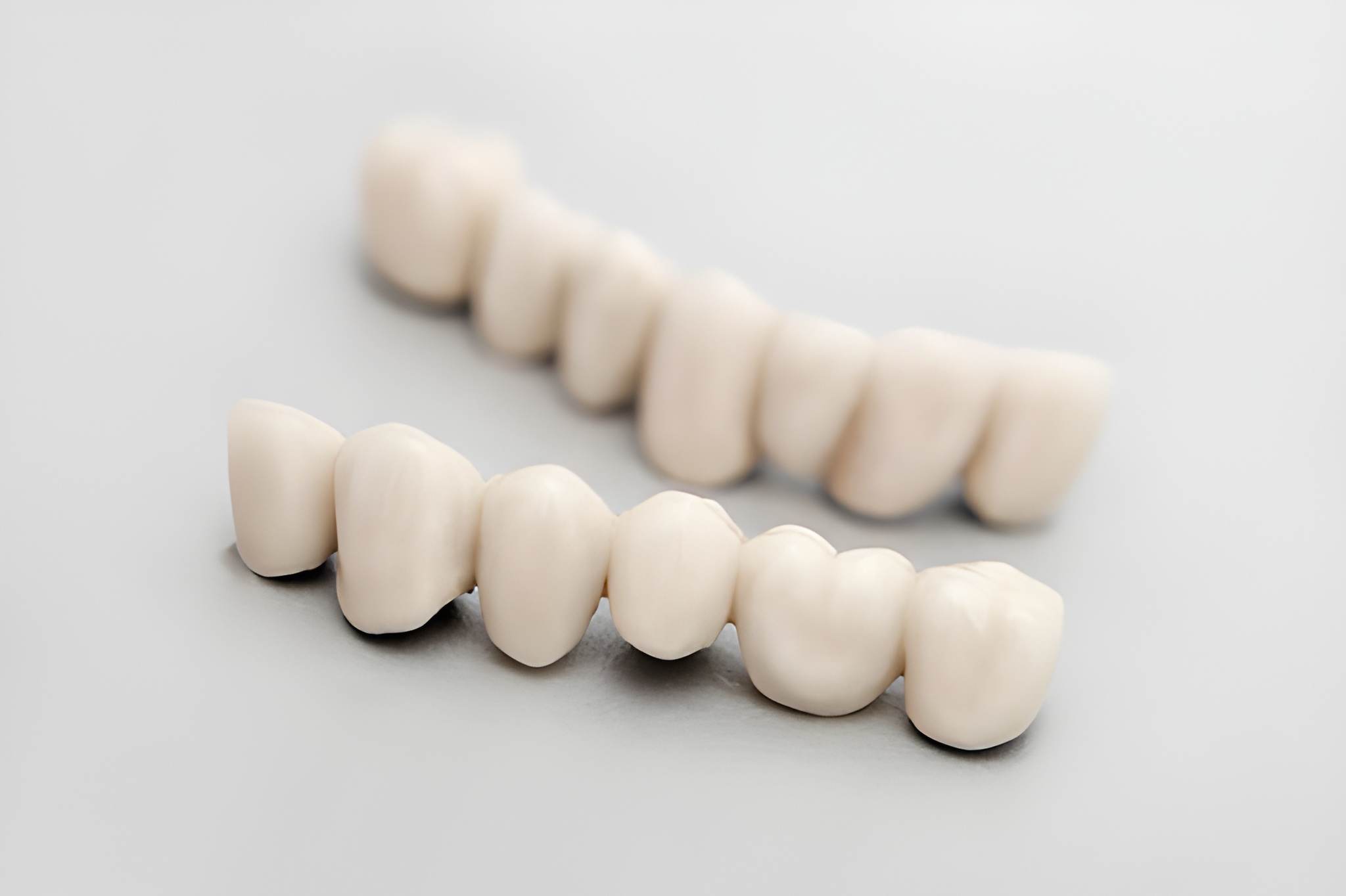
Dental crowns are caps that sit over a damaged or weakened tooth. They are designed to fully cover the visible portion of the tooth above the gumline and ensure your teeth feel natural and complete.
The primary goal of dental crowns is to restore the tooth’s strength, shape, size, and appearance. Once in place, the crown functions like a natural tooth. You can chew, smile, and speak comfortably again. Most patients seeking dental crowns in San Antonio choose this treatment because it offers both protection and long-term reliability.
How Dental Crowns “Cap” and Protect Damaged Teeth
You can consider and think of a dental crown as a helmet for your tooth. It sits on top of the tooth and protects it from further damage.
Crowns are commonly used when a tooth is:
- Cracked or broken
- Severely worn down
- Weak after a root canal
- Large fillings have damaged the natural tooth
- Misshapen or badly discolored
By covering the tooth entirely, the crown:
- Prevents cracks from spreading
- Restores chewing strength
- Protects the tooth from decay
- Improves the look of your smile
Dental Crowns vs. Other Restorations
Dental crowns are different from other dental treatments:
- Fillings: Fillings are known to repair small areas of decay. Crowns are used when the damage is too extensive for a filling to hold.
- Veneers: Veneers generally cover only the front surface of the tooth. Crowns, on the other hand, cover the entire tooth for complete protection.
- Inlays and onlays are restorations used to restore specific parts of a tooth. Crowns restore and protect the whole tooth surface.
In short, dental crowns help preserve damaged teeth and restore your smile to full function, comfort, and natural appearance.
When Do You Need a Dental Crown?
A dental crown is often recommended by professionals when a tooth is too weak or damaged to function properly on its own. If you are considering a crown restoration in San Antonio, here are some everyday situations where a crown may be the right solution.
Severely Decayed Teeth
When a tooth has decayed extensively, and a regular filling is not enough to restore it, a crown helps to protect what remains of the natural tooth. It covers the tooth fully and restores strength, shape, and function.
Cracked, Chipped, or Worn Teeth
Teeth can be chipped or cracked due to injury, grinding, or normal wear over time. A dental crown helps hold the tooth together and prevents further damage, especially for long-term crown restorations in San Antonio.
After Root Canal Treatment
Teeth that have undergone a root canal become more fragile. Placing a crown over the treated tooth provides essential protection to the damaged tooth and allows you to chew comfortably again.
Large Fillings That Weaken the Tooth
When a filling is extensive, it can leave the tooth vulnerable to breaking. A crown reinforces the tooth and offers long-term support.
Cosmetic Improvement
Crowns are also used to improve the appearance of the teeth that are misshapen, discolored, or unevenly shaped. With modern crown-restoration options in San Antonio, crowns can be designed to blend naturally with your smile.
A dental crown is not just about fixing a problem; it is also about restoring confidence, comfort, and everyday function in a reliable, straightforward way.
Types of Dental Crowns Available
When choosing the right dental crown, there are several options available today. Each type of crown has its own benefits, which entirely depend on where the crown is placed and what you expect in terms of looks and strength. If you are exploring dental options in San Antonio, Texas, it is essential to understand the types of crowns to have a confident discussion with your dentist.
Porcelain or Ceramic Crowns
These crowns are known for their natural, tooth-like appearance.
- Best match for natural tooth color
- Ideal for front teeth and visible areas
- Metal-free and gentle on gums
- Slightly less durable than metal-based crowns
Porcelain-Fused-to-Metal (PFM) Crowns
PFM crowns combine strength and appearance.
- Strong metal base with a porcelain outer layer
- More durable than all-porcelain crowns
- It can look very natural, though metal may show over time
- Commonly used for both front and back teeth
Zirconia Crowns
Zirconia crowns are one of the strongest options available today.
- Extremely durable and long-lasting
- Can handle heavy chewing pressure
- Improved aesthetics compared to older metal crowns
- Resistant to chipping and cracking
Metal Crowns (Gold or Alloys)
Metal crowns are the most durable type.
- Very strong and long-lasting
- Require less removal of natural tooth structure
- Not tooth-colored, so they are noticeable
- Rarely chip or break
Patients Also Ask
- How long do dental crowns last?
Dental crowns typically last 10 to 15 years. However, the actual lifespan of your appliance depends on how well you care for it.
- Does getting a crown hurt?
The procedure of getting a crown is usually not painful because dentists use local anaesthesia. Therefore, if you feel uneasy or experience pain after the procedure, it’s best to convey it to your dentist at the earliest.
- How many visits are required to complete the process of crowns?
Most crown treatments usually take two visits. However, the treatment timeline depends on your overall oral health.
Conclusion:
Restoring your smile on time can make a huge difference in your comfort, confidence, and overall oral health. Dental crowns are a trusted solution that protects damaged teeth and restores their natural appearance and function. You no longer have to live in pain, weakness, or an incomplete smile.
Take the next step towards better dental health today. Schedule a consultation with Heritage Family Dentistry in San Antonio by calling the clinic or booking an appointment online.
Takeaway:
- Dental crowns restore strength, function, and the natural appearance of damaged teeth.
- They protect weakened teeth from further decay, cracking, or breakage.
- Modern crown options offer durable, long-lasting, and natural-looking results.
- Ready to experience a lifetime of a flawless smile? Connect with our experts at Heritage Family Dental today!